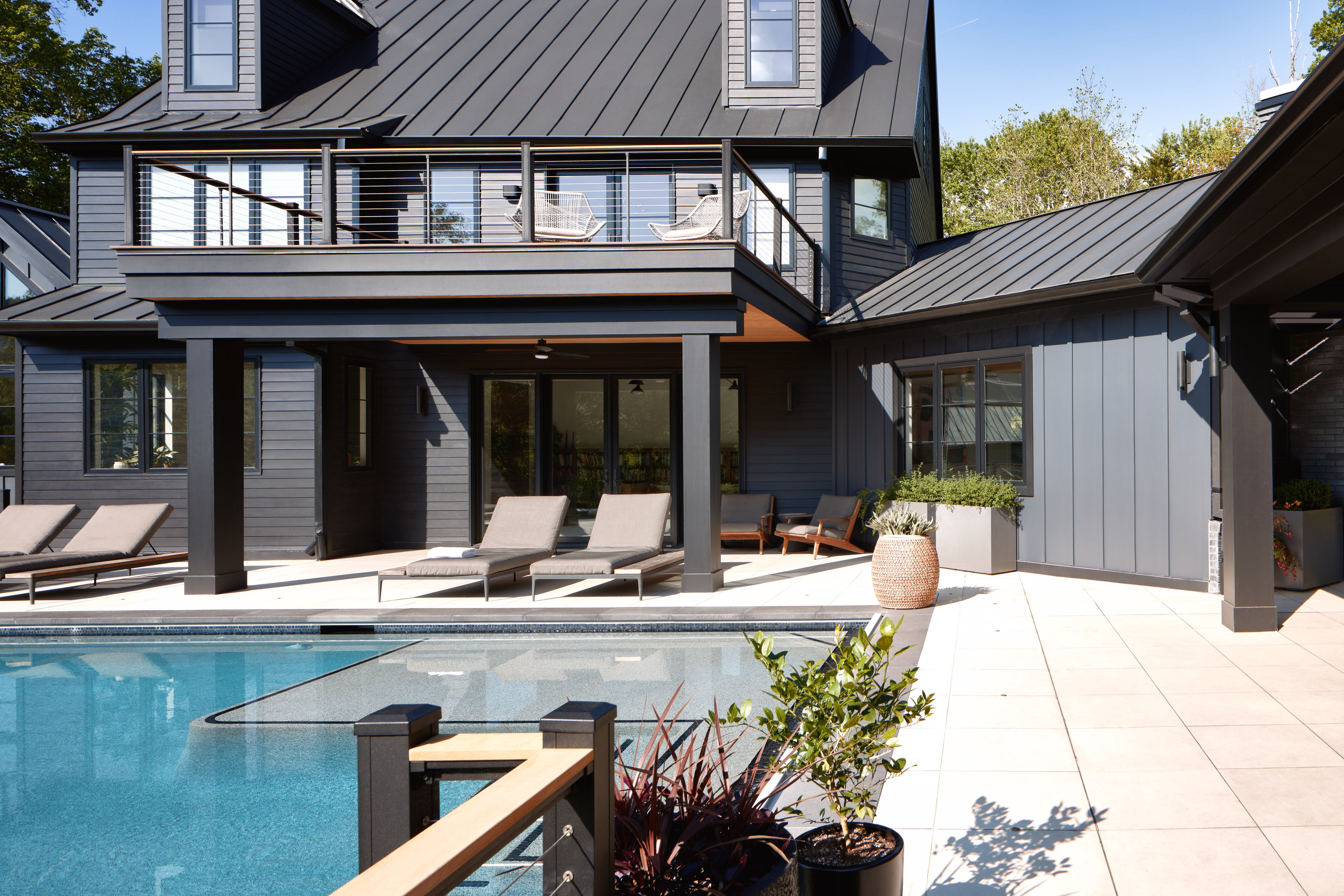
How much have you enjoyed your patio this summer? If you have found yourself drenched from the humidity or attacked by swarms of mosquitoes, then it might be time to rethink your outdoor living space. More DC homeowners are turning to four-season rooms that provide shelter from the elements and connection to your backyard regardless of the weather.
This guide walks you through creating four-season rooms you will love staying in all year.
Use these links to go to the sections you want to read:
- What "Four-Season" Means for an Outdoor Space
- Designing for DC's Summers
- Designing for DC's Winters
- Choosing the Right Structure for Your Home
- Permits and Zoning for DC Outdoor Additions
- Frequently Asked Questions
What "Four-Season" Means for an Outdoor Space
A three-season room and a four-season room can look nearly identical from the yard. The difference is in the framing and the glass. A three-season room uses single-pane glass and lighter, uninsulated framing, which keeps costs down but limits comfortable use to spring, summer, and early fall. A four-season room uses insulated glass and a thermally engineered frame, and it ties into heating and cooling so the space performs like any other room in the house, even in January.
A three-season room works well if you mainly want extended patio-style living without a full construction budget. A four-season room makes sense if you want the space to function as real square footage year-round, including as a home office, playroom, or second living room. It's also worth planning your glass and window choices alongside your broader approach to natural light in the rest of your remodel, since the two decisions overlap more than most homeowners realize.
Designing for DC's Summers
Material choice carries as much weight as design in a DC summer. Composite decking, PVC trim, and stone or porcelain paving resist the rot and warping that develops in untreated wood, standing up to years of humidity with far less upkeep.
Shade comes next. A pergola, a covered roofline, or mature tree cover cuts direct sun exposure and lowers the surface temperature of the space itself. Ceiling fans and cross-ventilation keep the air moving, since DC's summer air holds onto moisture in a way that makes a still, closed-in space uncomfortable fast. Retractable or fixed screening keeps out mosquitoes and pollen without blocking that airflow, which is what makes a screened porch livable in July.
Designing for DC's Winters
DC winters run damp and variable, with stretches of freezing rain that make an unconditioned space genuinely uncomfortable. If you want the space usable past November, you need to build in a few systems from the start.
Radiant heaters, whether ceiling-mounted infrared units or in-floor radiant systems, extend comfortable use into the shoulder months without the cost of a full HVAC tie-in. An outdoor fireplace or fire pit adds ambiance and a real heat source for evening use. For a true four-season room, tying the space directly into your home's existing HVAC system is the most reliable way to keep it usable in any weather, and it's a decision your design team needs to plan for early, since it affects duct routing and electrical capacity.
Insulated glass and a properly sealed frame do the rest of the work. Without them, a heated space loses warmth as quickly as the system can produce it, and the heating cost climbs to match.
Choosing the Right Structure for Your Home
The kind of house you have also shapes how you need to create an outdoor space:
Rowhouse Lots
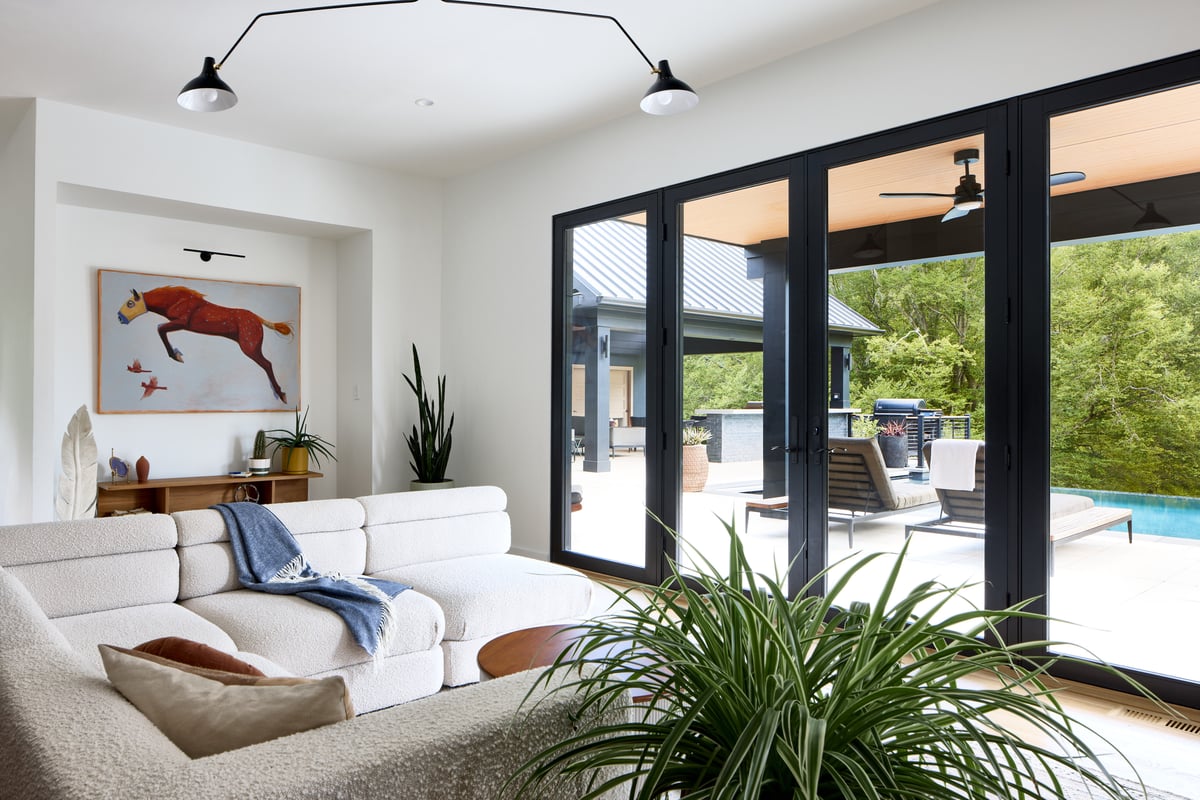
Rowhouses in neighborhoods like Capitol Hill, Petworth, and Shaw typically have narrow, shallow backyards, which means the outdoor living addition often has to double as the transition space between an expanded kitchen and whatever yard remains. A kitchen remodel with a folding door wall onto a covered patio makes efficient use of that kind of tight lot, especially for families already leaning toward the kind of open, connected layout that blurs the line between kitchen and yard.
Suburban Lots
Homes with more depth to the lot, common in parts of Chevy Chase, Bethesda, and other suburbs, have more room for a dedicated three- or four-season room as its own structure. You can size and orient the room for sun exposure and privacy, and customize the layout around how you plan to use the yard.
Permits and Zoning for DC Outdoor Additions
Most outdoor living additions in DC, including sunrooms, screened porches, and covered patios attached to the house, require a building permit and drawings from a licensed architect, following the same permitting process as any other DC remodel. Rear additions in R and RF zones are also subject to DC's rear setback rule, which limits a matter-of-right addition to no more than ten feet beyond the farthest rear wall of an adjoining property. Going beyond that requires relief from the Board of Zoning Adjustment, which adds time to the schedule.
If your home sits in one of DC's historic districts, exterior additions also need review from the Historic Preservation Office before a permit is issued. Confirming your zone and, if applicable, your historic district status at the very start of the design phase avoids surprises once drawings are underway.
Frequently Asked Questions
What's the difference between a three-season room and a four-season room?
A three-season room uses single-pane glass and lighter framing, which keeps it comfortable through spring, summer, and fall but not through a DC winter. A four-season room uses insulated glass and a thermally engineered frame, and it ties into heating and cooling so it performs like an interior room year-round.
Do I need a permit to add a sunroom or covered patio in DC?
Yes. Structures attached to the house, including sunrooms, enclosed porches, and covered patios, require a building permit and drawings from a licensed architect. Freestanding, unattached structures below a certain size may qualify for a simpler process, so confirm the scope with your design-build team before assuming either way.
How do you keep an outdoor space usable during DC's humid summers?
Overhead shade, ceiling fans, cross-ventilation, and fine mesh screening address the heat, humidity, and bugs that make an open patio uncomfortable by midsummer. Composite decking and stone or porcelain paving also hold up well against DC's humidity over the long run, resisting the rot and warping untreated wood develops in this climate.
Can a three-season porch be converted into a four-season room later?
Sometimes, but it depends on the existing foundation, framing, and whether the structure was built with any insulation in mind. Upgrading the glass and adding heat is often a straightforward retrofit. Upgrading the framing and foundation for full insulation is a much bigger undertaking, closer to a full rebuild of the space. Have your contractor assess the existing structure before assuming which path applies.
What heating options work for outdoor spaces in DC's winters?
Ceiling-mounted infrared heaters and in-floor radiant systems both extend usable months without a full HVAC tie-in. An outdoor fireplace or fire pit adds heat and ambiance for a screened porch or patio. For a fully enclosed four-season room, tying directly into your home's HVAC system gives the most reliable year-round comfort.
Does a rear addition for outdoor living affect my DC setback requirements?
It can. DC limits matter-of-right rear additions in R and RF zones to no more than ten feet beyond the farthest rear wall of an adjoining property. Extending further requires approval from the Board of Zoning Adjustment, which adds time to your project timeline.
Ready to Build an Outdoor Space You'll Use All Year?
.jpg?width=1200&height=800&name=coastal-kitchen-addition-in-vinalhaven-maine-16%20(1).jpg)
A great indoor-outdoor space needs to work in July and January alike. At Four Brothers Design + Build, we design and build additions, sunrooms, and patio spaces that hold up to our region's climate while fitting the way you live. Browse our portfolio to see indoor-outdoor projects we've completed across the DC area.
Our work has earned several Houzz awards, and homeowners we've worked with have shared their own experience in reviews on our Houzz profile.
Contact Us
Connect with our team to get your project started today.

.png?width=1200&height=1200&name=Cost%20Guide%20Graphics%20FB%20(3).png)