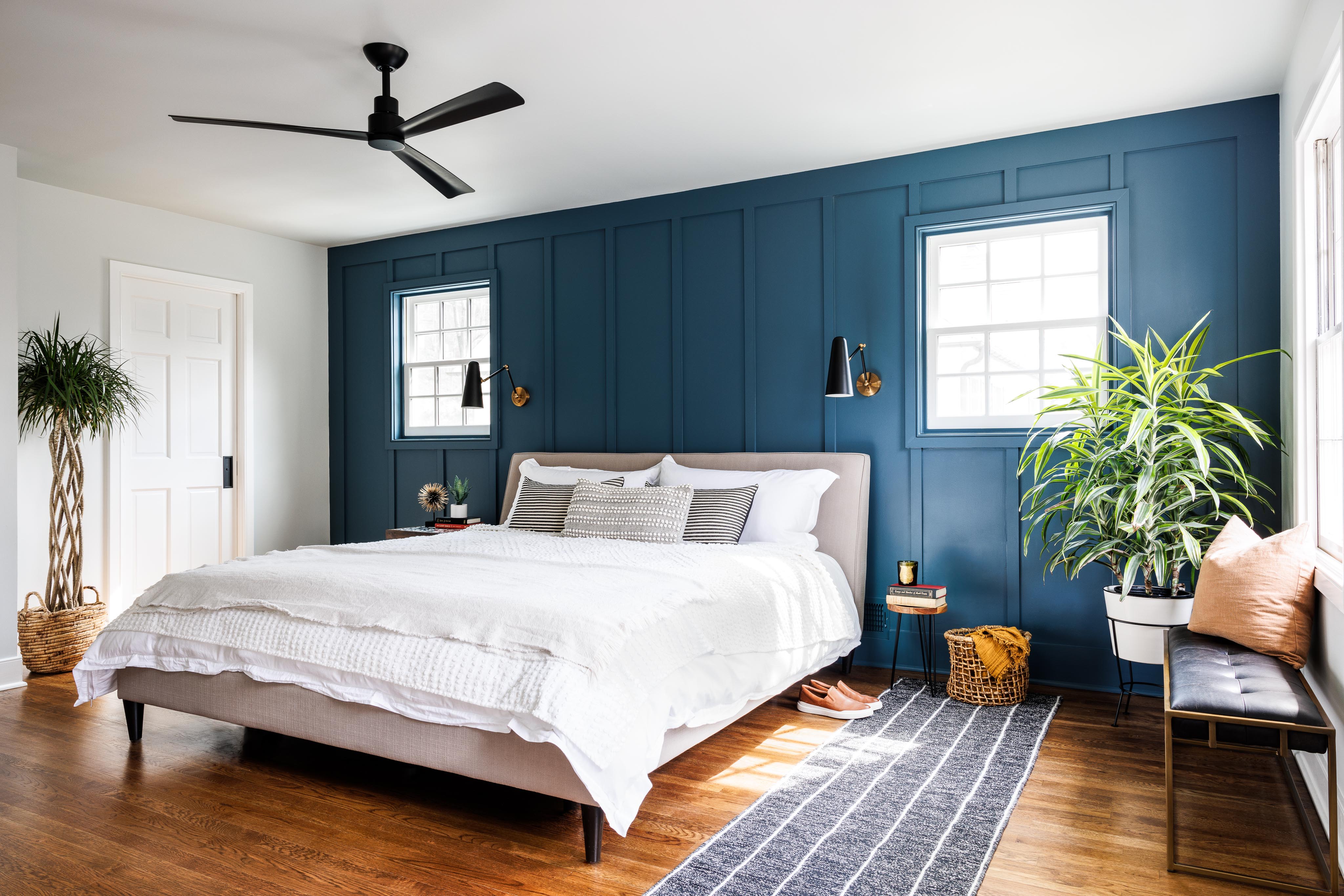
For many homeowners in the Washington DC Metro area, the idea of a “forever home” is no longer just about location or architectural charm; it’s about longevity. More families are choosing to remain in the neighborhoods they love, close to community, career, and family, rather than relocating later in life. Thoughtful aging-in-place remodeling allows homeowners to stay rooted while preparing their homes to support them for decades to come.
When approached proactively, aging-in-place home remodeling is not reactive or clinical. It is a disciplined design strategy rooted in foresight. The most successful projects integrate architectural planning, structural preparation, and refined interior design to create homes that function beautifully today while supporting future needs.
What You’ll Learn:
- What Does Aging in Place Mean?
- Why Remodel Instead of Move
- Is Aging in Place Worth It?
- Foundational Design Considerations
- Bathroom Renovations
- Kitchen Modifications
- Technology
- Aging in Place in Luxury Homes
- The Importance of Early Planning
- Selecting the Right Team
- Designing for Long Term
- Planning an Aging in Place Remodel?
What Does Aging in Place Mean?
Aging in place refers to the ability to live safely and independently in one’s home as circumstances change over time. It involves anticipating future mobility, accessibility, and usability considerations and addressing them through intentional design.
Well-executed aging-in-place renovations are grounded in thoughtful long-term home planning. Rather than waiting for a specific health event, homeowners incorporate forward-thinking improvements during larger renovations or additions.
Comprehensive aging-in-place home design typically evaluates:
- Circulation paths between rooms
- Entry transitions and stair safety
- Bathroom and kitchen ergonomics
- Lighting quality and visibility
- Structural reinforcement for future adaptations
When integrated early, these features feel architectural rather than adaptive. This is the foundation of responsible forever home remodeling.
Why Homeowners Are Choosing to Remodel Instead of Move
In high-value markets such as the DC Metro region, relocation can be both financially and logistically complex. A well-planned home renovation project often provides greater continuity and long-term value than downsizing or moving.
Beyond financial considerations, remaining in place preserves:
- Community relationships
- Proximity to trusted healthcare providers
- Familiar daily routines
- Architectural character and investment in the home
There is also increased interest in multigenerational home design, particularly through accessory dwelling units (ADUs) or private suite additions. These arrangements allow older adults to maintain independence while remaining close to family support. When properly designed, these spaces balance autonomy with accessibility.
For those exploring aging-in-place ideas for luxury homes, the emphasis is on ensuring that performance-driven features align seamlessly with timeless architectural design.
Is Aging in Place Worth It?
This question often depends on timing and planning.
When incorporated during a larger renovation, aging-in-place remodeling strategies typically represent incremental upgrades rather than extensive structural overhauls. Waiting until mobility challenges arise can limit design options and increase costs.
The most effective home modifications for seniors are those that:
- Improve daily usability immediately
- Reduce fall risks and physical strain
- Preserve aesthetic integrity
- Support long-term property value
In this context, aging-in-place home remodeling becomes an investment in both safety and continuity.
Foundational Design Considerations
Successful aging-in-place design-build projects are grounded in structure and flow. Integrating architecture and construction planning early ensures accessibility is inherent to the design.
Many projects rely on universal design remodeling strategies and established principles, which promote spaces usable by people of all ages and abilities. These principles naturally complement contemporary and transitional design styles common in the DC area.
Core structural considerations often include:
- Main-level living arrangements
- Wider hallways and door openings
- Reduced or eliminated interior thresholds
- Reinforced wall framing for future grab bar installation
- Improved lighting placement throughout circulation areas
For homeowners asking how to make a two-story home aging-friendly, solutions may involve reconfiguring floor plans to place essential spaces on the main level or planning structural allowances for future elevator installation. Early evaluation allows these decisions to be integrated seamlessly into the home’s architecture.
Thoughtful, accessible home design prioritizes dignity, safety, and long-term usability.
Bathroom Renovations with Purpose
Bathrooms are one of the most critical spaces in senior home remodeling due to a higher slip and fall risk.
Modern aging-friendly home upgrades frequently include:
- Curbless walk-in showers with linear drains
- Slip-resistant flooring materials
- Integrated shower benches
- Comfort-height toilets
- Layered lighting to reduce shadows
- Structural blocking for discreet future grab bar placement
Many of these elements are also common in high-end home remodeling projects for purely aesthetic reasons. Curbless showers and open layouts are as much about clean design as accessibility.
Effective barrier-free design supports safety without sacrificing sophistication.
Kitchen Modifications for Long-Term Functionality
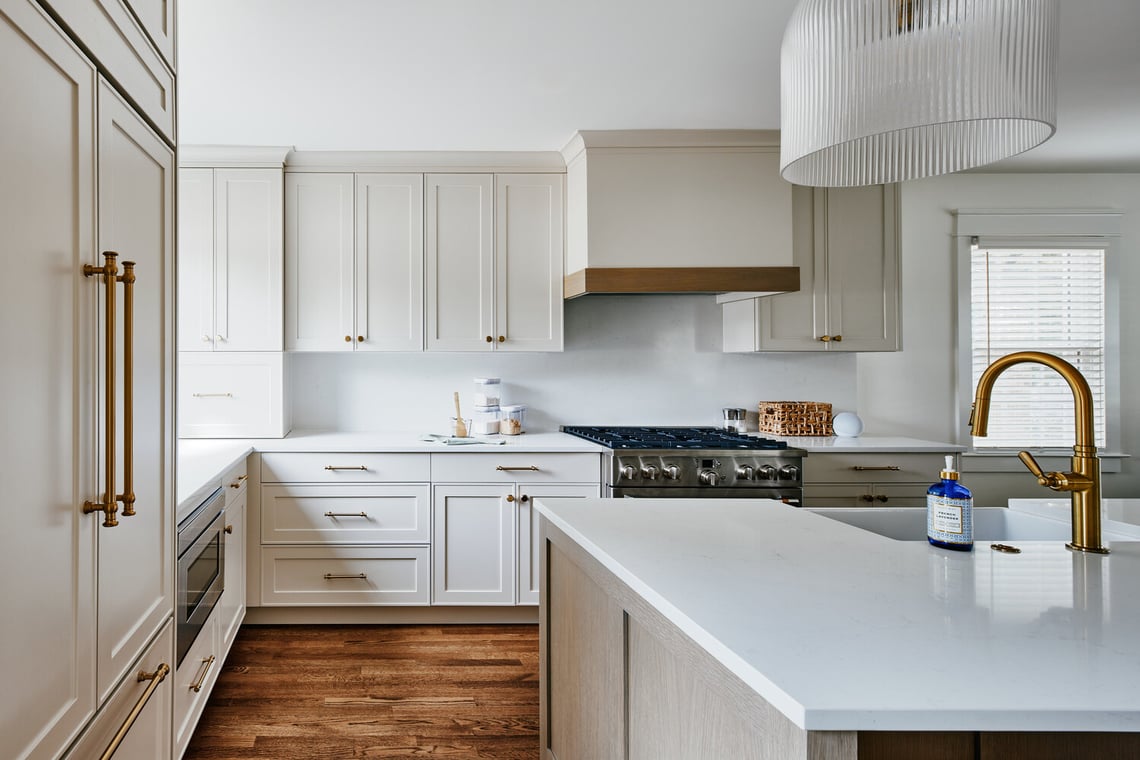
Kitchens benefit significantly from ergonomic refinement within aging in place home design.
Strategic adjustments may include:
- Full-extension drawers and pull-out shelving
- Improved task lighting
- Induction cooktops for safer surface temperatures
- Side-opening wall ovens
- Lever-style hardware
- Varied counter heights to accommodate seated use
These upgrades reflect universal design principles and enhance usability for every household member, regardless of age.
Well-executed aging-in-place remodeling in kitchens focuses on subtlety. The improvements feel intentional rather than specialized.
Technology: Practical Applications Over Complexity
While home automation is often associated with aging support, many homeowners prefer practical, low-maintenance solutions.
Within aging-in-place renovations, technology may include:
- Rocker-style light switches
- Motion-activated lighting in key areas
- Secure and intuitive entry systems
- Well-illuminated exterior pathways
Reliability and clarity are prioritized over complexity. The goal is to simplify daily life, not introduce additional learning curves.
Aging in Place in Luxury and Architecturally Significant Homes
In the DC Metro area, many properties undergoing renovation are architecturally distinct or historically sensitive. Executing aging-in-place remodeling in these homes requires careful planning and regulatory awareness.
A coordinated design-build approach allows structural changes, permitting considerations, and architectural detailing to be aligned from the outset. This ensures that accessible home design elements feel integrated rather than imposed.
For homeowners considering aging-in-place ideas for luxury homes, early collaboration between architectural and construction teams is especially important to maintain design integrity.
.jpeg?width=1140&height=917&name=neutral-tone-home-and-bathroom-update-in-chevy-chase-maryland-09%20(1).jpeg)
The Importance of Early Planning
The most effective time to remodel for aging in place is during a planned renovation rather than in response to immediate need.
Incorporating accessibility features into a broader home renovation in the Washington DC Metro allows for:
- Greater architectural flexibility
- More efficient permitting processes
- Predictable budgeting
- Higher-quality design integration
Proactive aging in place home remodeling reduces the likelihood of emergency modifications and preserves independence over time.
Selecting the Right Professional Team
Aging-in-place projects require a thorough understanding of structural systems, local building regulations, and design integration.
When evaluating an aging-in-place contractor, homeowners should consider:
- Experience with structural reconfiguration
- Familiarity with local permitting requirements
- Knowledge of universal design remodeling standards
- Ability to coordinate architecture and construction
A qualified design-build firm for aging-in-place remodeling can streamline communication and ensure continuity from planning through construction.
Designing for the Long Term
So, what are the best aging-in-place home modifications? The answer varies by property and homeowner goals, but the underlying strategy remains consistent: anticipate change and design accordingly.
Thoughtful aging-in-place remodeling is not about reacting to limitations. It is about protecting independence, preserving architectural integrity, and ensuring that a home remains supportive and functional for decades.
When approached with structure, foresight, and disciplined design, a forever home can continue to evolve comfortably and confidently with its owners.
Planning an Aging in Place Remodel?
For homeowners considering aging-in-place remodeling in Washington, DC, Four Brothers provides experienced, design-forward guidance through an integrated design-build remodeling process.
Schedule a consultation to discuss how your home can be strategically prepared for the future, without compromising design or quality.
.png?width=1200&height=1200&name=Cost%20Guide%20Graphics%20FB%20(3).png)